What Is Transcranial Magnetic Stimulation?

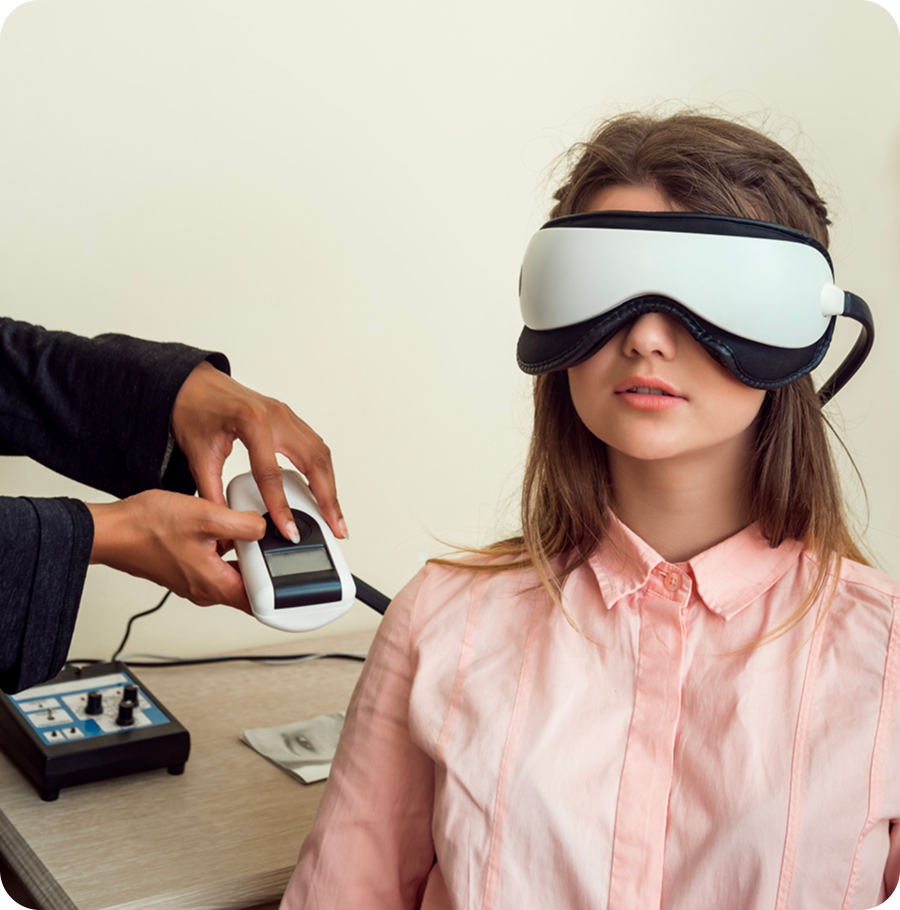
Transcranial Magnetic Stimulation (TMS) is a non-invasive treatment that uses controlled magnetic pulses to stimulate specific areas of the brain linked to mood regulation. It does not require sedation, medication or surgery, and patients can return to normal activities immediately after each session.
TMS is often recommended when depressive symptoms do not respond adequately to medication.

What Is Transcranial Magnetic Stimulation?
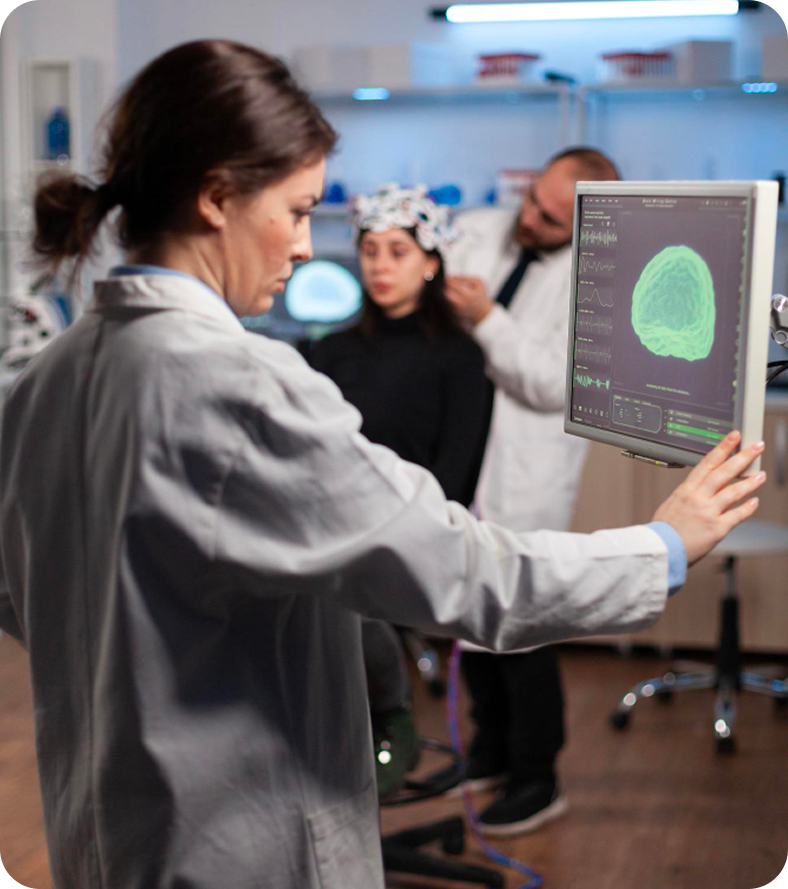
How TMS Works

How TMS Works

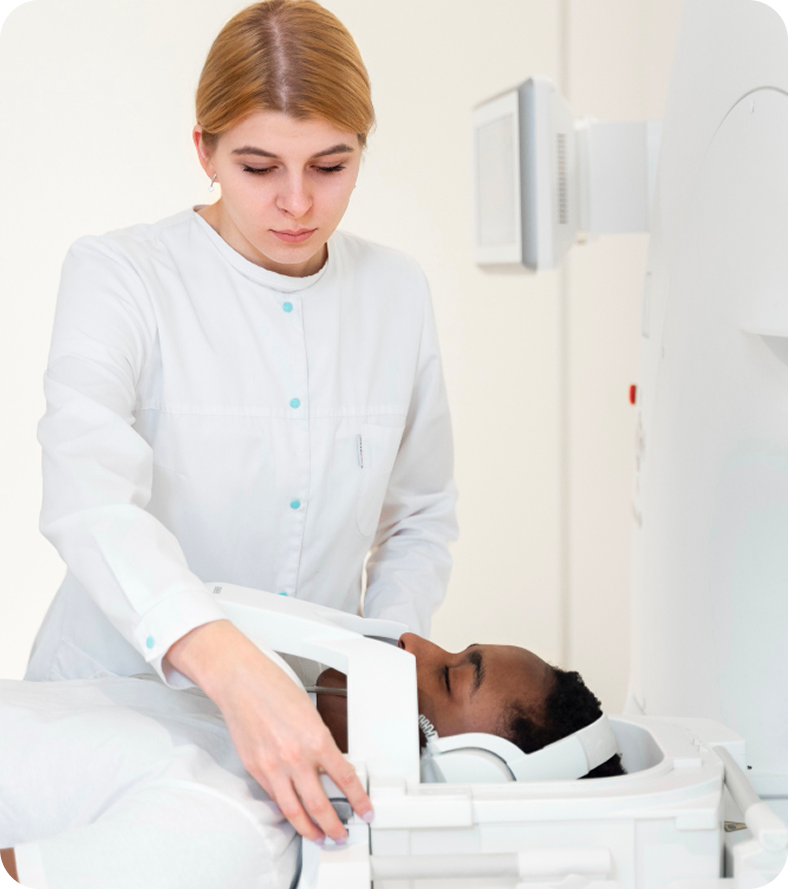
During a TMS session:
The stimulation is precise, safe and delivered under clinical supervision.

What You May Feel
During Treatment

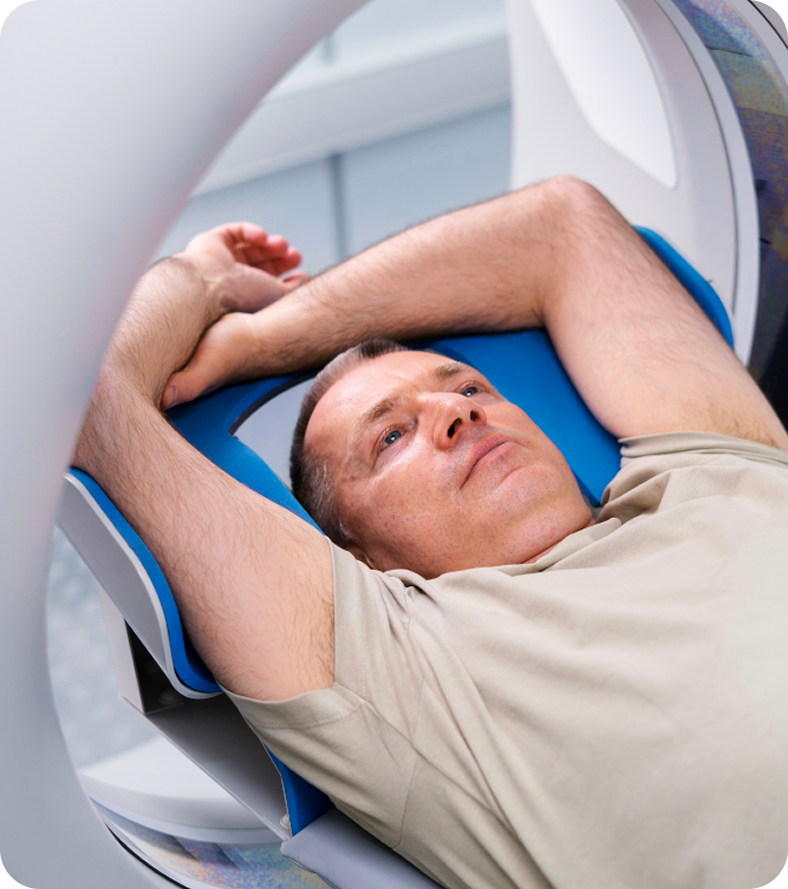
Patients typically describe:
Sessions usually last 20–30 minutes, and you can resume your day immediately afterward.
What You May Feel During Treatment
Typical Treatment Course

Typical Treatment
Course

A full course of TMS usually involves:
Improvements often develop gradually, and progress is monitored throughout the treatment period.

Safety Profile and
Side Effects

TMS is known for its strong safety record. Common side effects include:
Side effects typically decrease as treatment continues. Serious complications are extremely rare.

Effectiveness of TMS

Clinical research demonstrates that TMS can significantly reduce depressive symptoms in individuals who do not improve with medication alone. Many patients report enhancements in mood, sleep and overall functioning, with benefits that may continue after treatment ends.

Patient Stories

Show real patient feedback and outcomes from publicly available Google Reviews.

Explore Your Eligibility for TMS

If you would like to know whether TMS may be an appropriate option based on your symptoms and treatment history, you may complete a brief assessment.